Guide
Is CBD legal in Morocco? What Law 13-21 says
What the text of Law No. 13-21 on the lawful uses of cannabis says, article by article, with exact quotations. Updated on 10 November 2026.
The short answer
Law No. 13-21 on the lawful uses of cannabis, enacted by Dahir No. 1-21-59 of 14 July 2021 and published in Official Bulletin No. 7010 of 5 August 2021, governs the cultivation, production, processing, manufacture, marketing, transport and export of cannabis and its products in Morocco. Each of these activities requires an authorisation from ANRAC, the National Agency for the Regulation of Cannabis-Related Activities (Article 3). Marketing and export are permitted only for the purposes set out in Article 19, and the law defines what an industrial purpose is (Article 2). The text contains neither the word “CBD” nor the word “cannabidiol”: it speaks of cannabis and its products. Nor does it give a THC level in figures: that level is set by regulation (Articles 6 and 17).
What is Law 13-21?
Law No. 13-21 is the Moroccan law on the lawful uses of cannabis. It was enacted by Dahir No. 1-21-59 of 14 July 2021 and published in Official Bulletin No. 7010 of 5 August 2021, page 1172.
It has 56 articles in nine chapters: general provisions, cultivation and production, nurseries and seeds, processing, manufacture and transport, marketing and export, authorisations, the national regulatory Agency, the control regime (including traceability and labelling), offences and penalties.
Its entry into force is governed by Article 56: the law applies from its publication, but provisions that require regulatory texts in order to apply only enter into force once those texts have been published in the Official Bulletin.
(Article 56).
What does the law allow?
Article 1 provides that may be authorised, under the conditions and rules laid down by this law: the cultivation, production, processing, manufacture, marketing, transport and export of cannabis and its products
(Article 1), together with the export and import of seeds and plants, the import of products, and the creation and operation of nurseries.
These are activities that may be authorised: none of them is free. Article 3 lists the ones that require an authorisation: cultivation and production, nurseries, the export and import of seeds and plants, processing and manufacture, transport, marketing, export, and the import of products.
How does the law define cannabis and resin?
For the law, cannabis means any plant of the genus cannabis, together with its flowering or fruiting tops (Article 2).
The same article defines resin: cannabis resin: the separated resin, crude or purified, extracted from the cannabis plant
(Article 2). It also defines the industrial purpose: industrial purpose: any purpose linked to industrial activities, in particular the food and cosmetics industries, other than the medical and pharmaceutical industries
(Article 2).
The text contains neither the word “CBD” nor the word “cannabidiol”: we checked all 25 pages. Flowers, resin and the other products made from the plant therefore fall under the rules that apply to cannabis and its products.
Who issues authorisations, and for how long?
ANRAC issues the authorisations: No one may carry out any of the following activities without first obtaining an authorisation issued by the National Agency for the Regulation of Cannabis-Related Activities
(Article 3).
The Agency is a public body created by the law (Article 31). The Agency’s head office is located in Rabat.
(Article 31) Its tasks, set out in Article 33, include granting, renewing and withdrawing authorisations, and inspecting cultivated plots, manufacturing and processing units, and storage warehouses.
On duration, Article 27 is clear: The validity of each authorisation is set at 10 years, renewable.
(Article 27)
Cultivation is only authorised in the provinces listed by decree (Article 4). Growers must in particular be Moroccan nationals and belong to one of the cooperatives created for this purpose (Article 7); the cooperatives deliver their harvests to authorised companies under a sales contract, in the presence of a committee convened by the Agency (Article 10).
For which purposes can products be sold and exported?
Article 19 sets the framework: Cannabis and its products, having been processed, manufactured and imported, may be marketed and exported only for medical, pharmaceutical or industrial purposes.
(Article 19)French original, which prevails: Il ne peut être procédé à la commercialisation et à l’exportation du cannabis et de ses produits, ayant déjà été transformés, fabriqués et importés, qu’à des fins médicales, pharmaceutiques ou industrielles.
Two regimes follow. On one side, The marketing, export and import of medicines and of non-medicinal pharmaceutical products containing cannabis components are governed by Law No. 17-04 on the code of medicines and pharmacy
(Article 20). On the other, for industrial purposes, the marketing and export of cannabis and its products, including products containing cannabis components, as well as the import of those products, for industrial purposes, are subject to an authorisation issued by the Agency
(Article 21).
To obtain a marketing, export or import authorisation, the applicant must be a company or another legal entity governed by Moroccan law, have qualified and sufficient material and human resources, and hold the authorisations needed for its activities (Article 21). Companies that market, export or import must also have secure, monitored warehouses (Article 22) and comply with the specifications drawn up by the Agency (Article 23).
What does the law say about THC?
The law gives no THC level in figures. It refers to a level “set by regulation”, in two articles.
For cultivation: Authorisation to grow and produce cannabis varieties whose content of the psychoactive substance tetrahydrocannabinol (THC) exceeds the level set by regulation may only be granted for the medical and pharmaceutical industries.
(Article 6) For manufacture: With the exception of medicinal and pharmaceutical products, the manufacture of products whose tetrahydrocannabinol (THC) content exceeds the level set by regulation is prohibited.
(Article 17)
The figure is therefore found in a regulatory text, not in the law itself. Levels sometimes quoted elsewhere do not come from the text of Law 13-21. On this website we publish no level: those of a MyCBD batch appear on its certificate of analysis, sent on request.
How is traceability organised?
Traceability is entrusted to the Agency: The Agency must monitor the traceability of cannabis throughout every stage of the chain: its production, processing, manufacture, marketing and export
(Article 44).
The Agency keeps the register of authorisations, a register of activities and operations, and the stock register. Authorisation holders also keep registers recording the authorised activities, their dates and the quantities; these registers are kept for ten years and presented at every inspection (Article 45).
What must the packaging and label show?
For transport, Article 18 requires that Cannabis products, whatever their destination, must be transported in closed packaging or containers so as to prevent any substitution or mixing of their contents with other products
(Article 18).
For labelling, Article 46 requires every cannabis product intended for the purposes provided by the law to show the number of the authorisation or authorisations, the name and quantity of the material used, and the names of the sender and the recipient, clearly, legibly and indelibly.
Articles 47 and 48 govern the official mention: The mention “cannabis product” or the related logo set by regulation is affixed to any product obtained in accordance with the provisions of this law.
(Article 47) And conversely: For the designation or advertising of a product, it is prohibited to use the mention or logo referred to in Article 47 if that product has not been obtained in accordance with the provisions of this law.
(Article 48)
And for a buyer abroad?
Law 13-21 governs the Moroccan side: the export authorisation, the permitted purposes, packaging, labelling and traceability. Entry of the product into the destination country is governed by that country’s rules.
Regulation varies from one country to another. State your destination in your quote request: we specify the documents available for your import procedures. Our page on exporting Moroccan CBD describes how an export order runs.
What MyCBD does within this framework
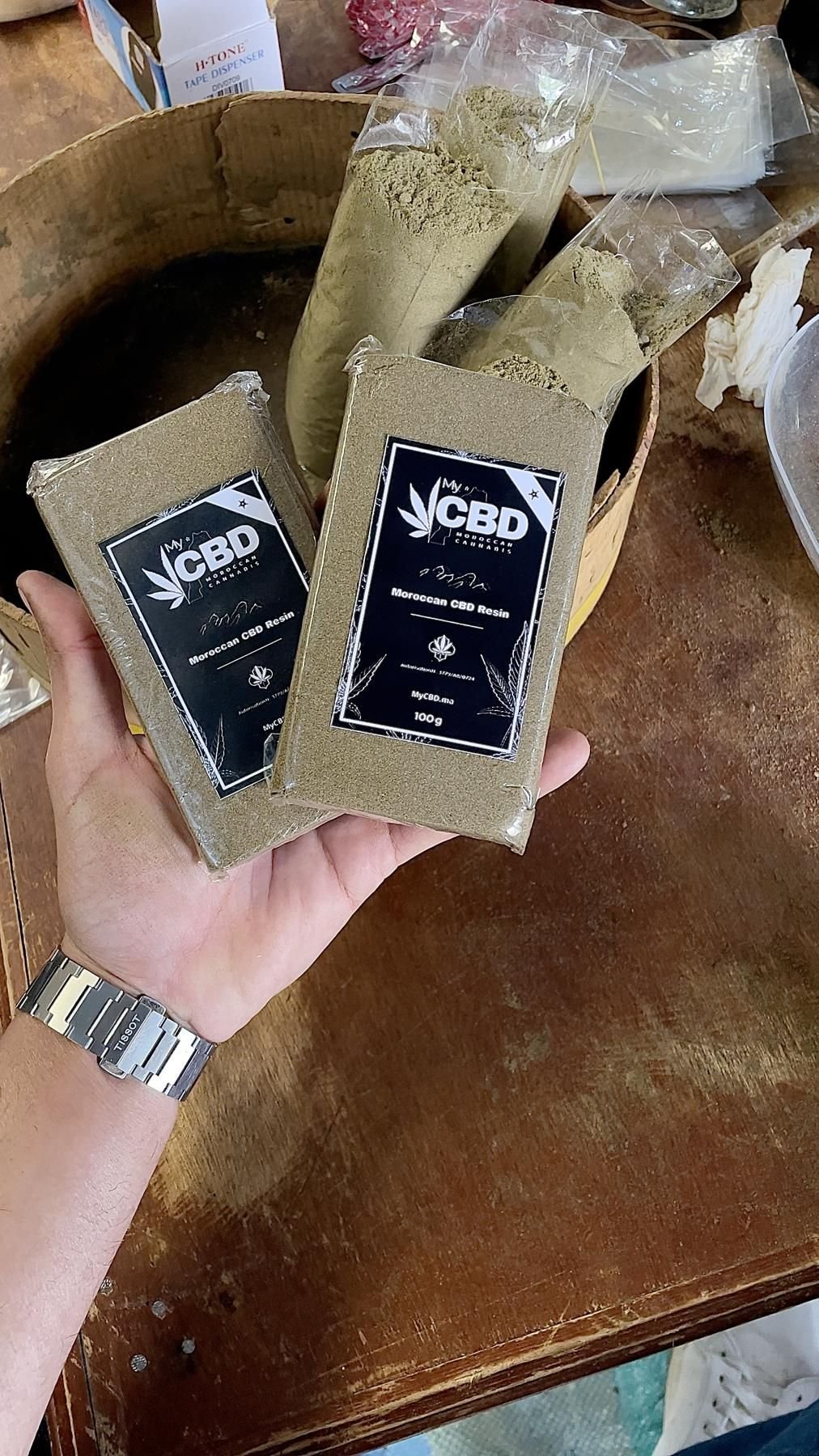
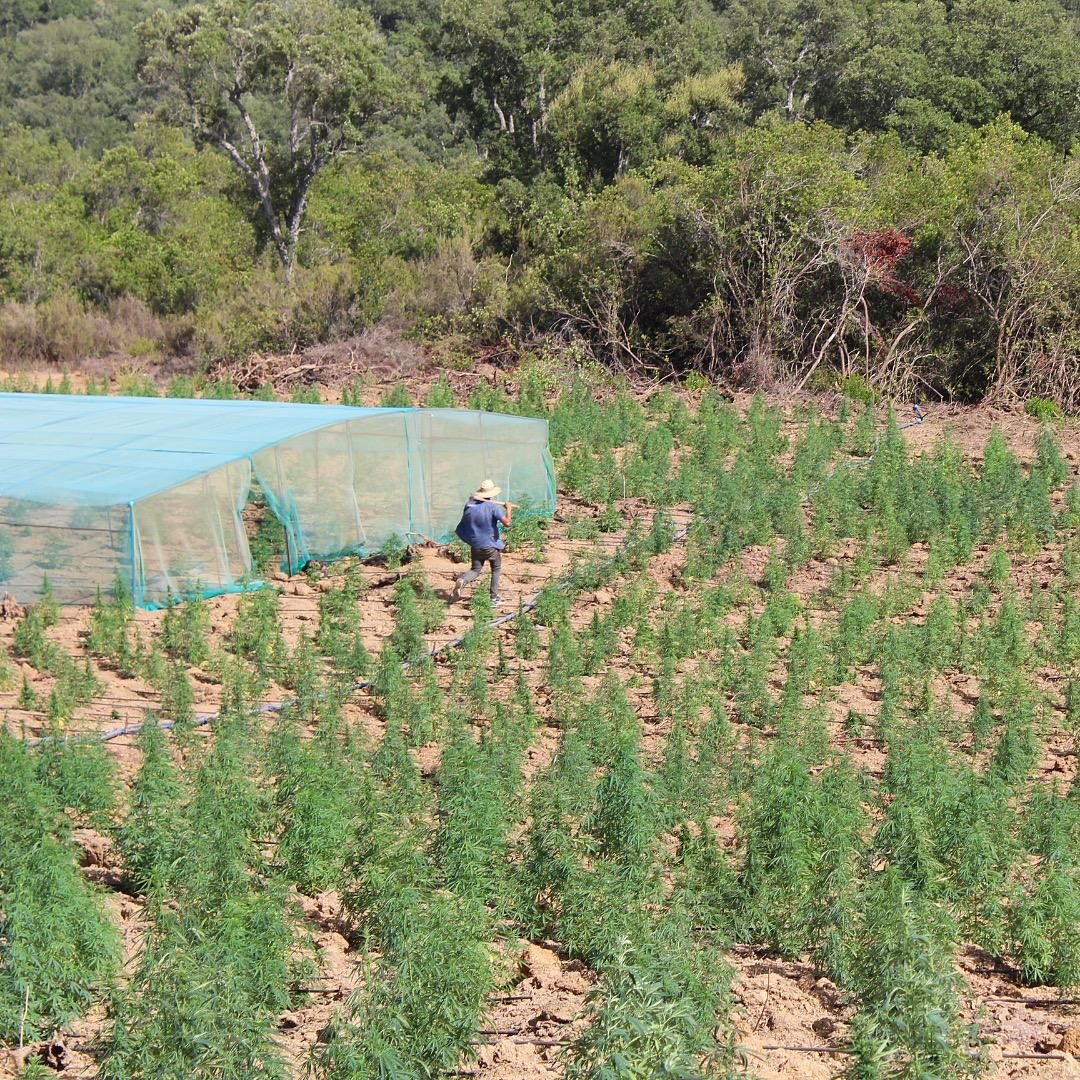
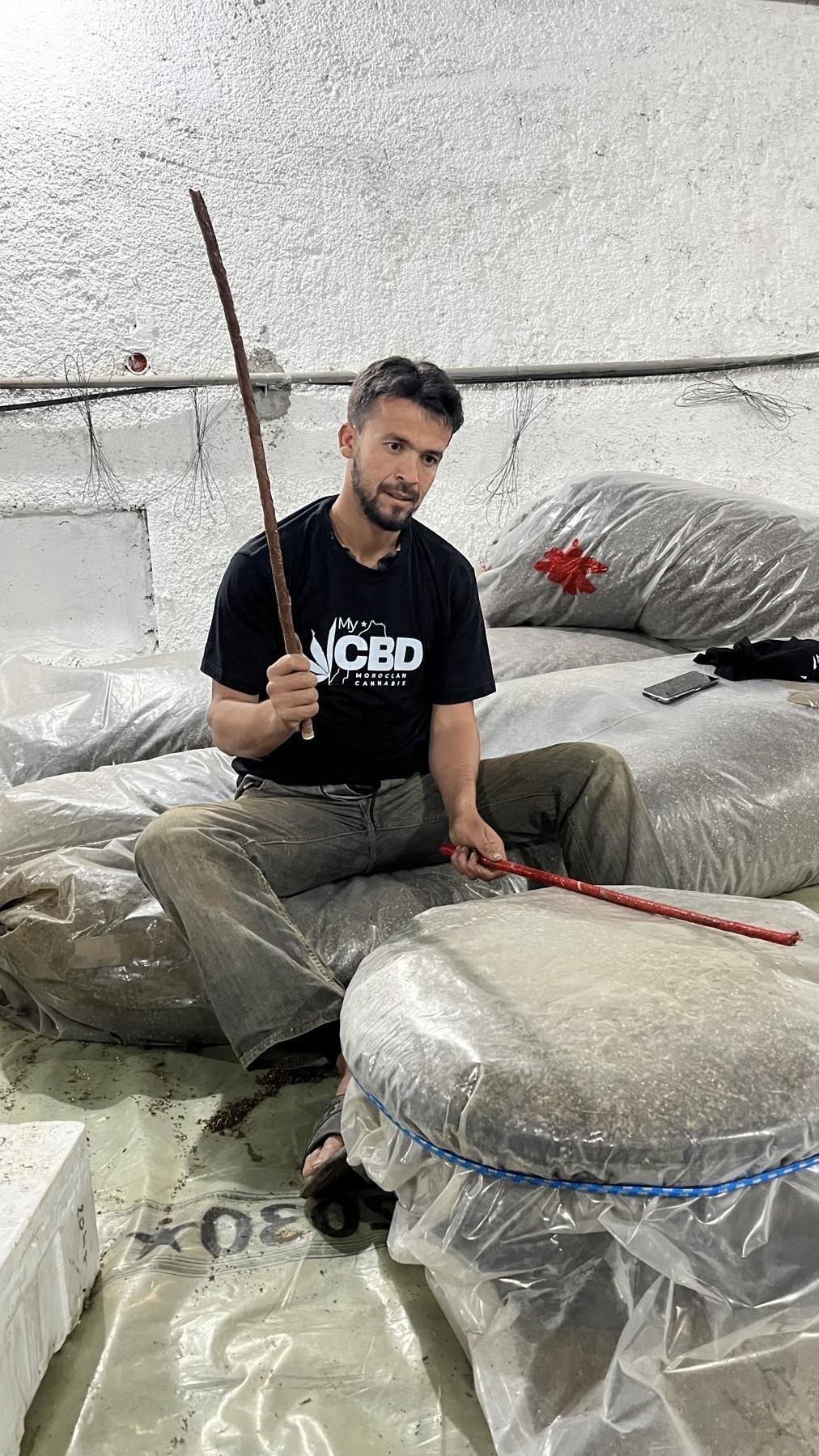
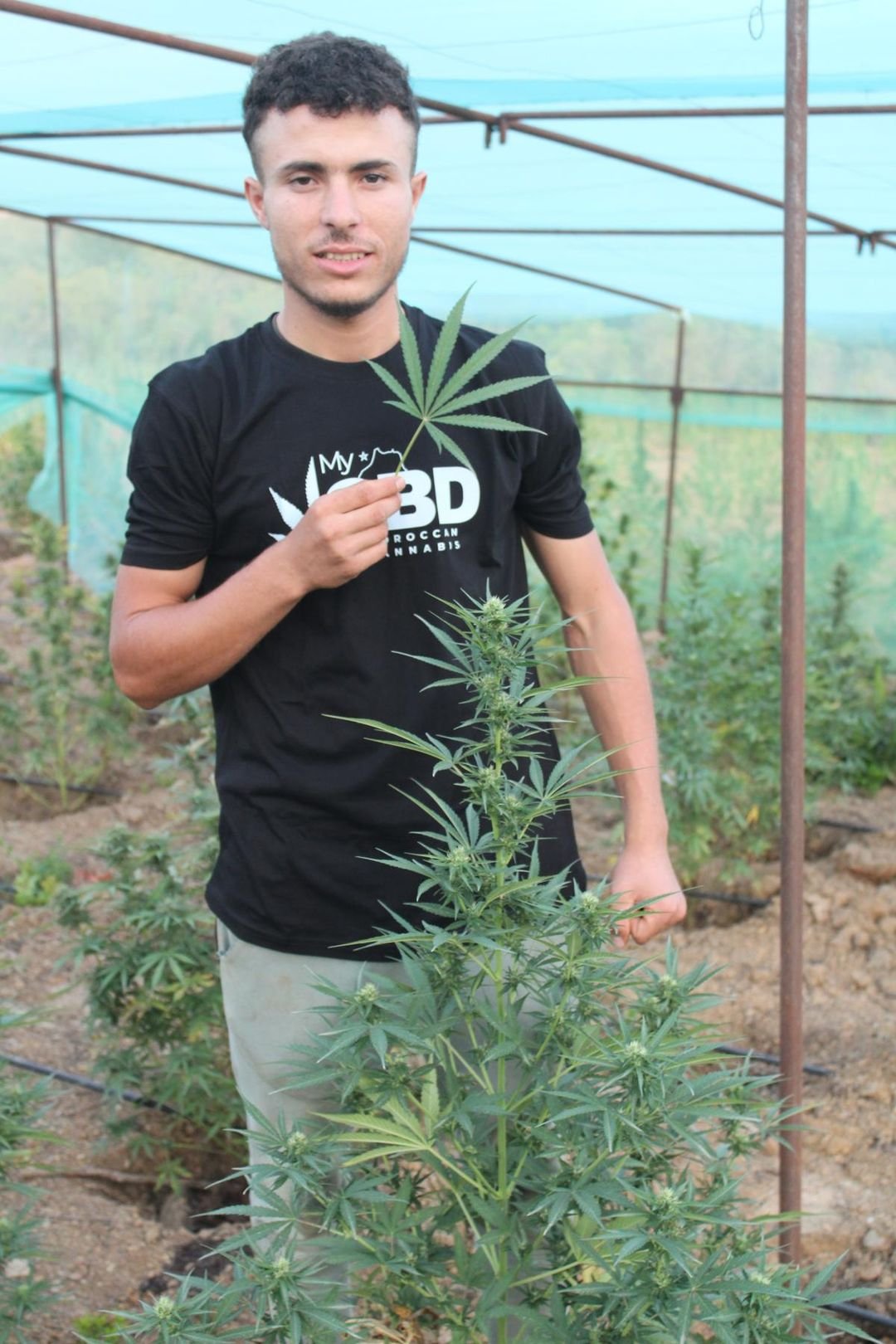
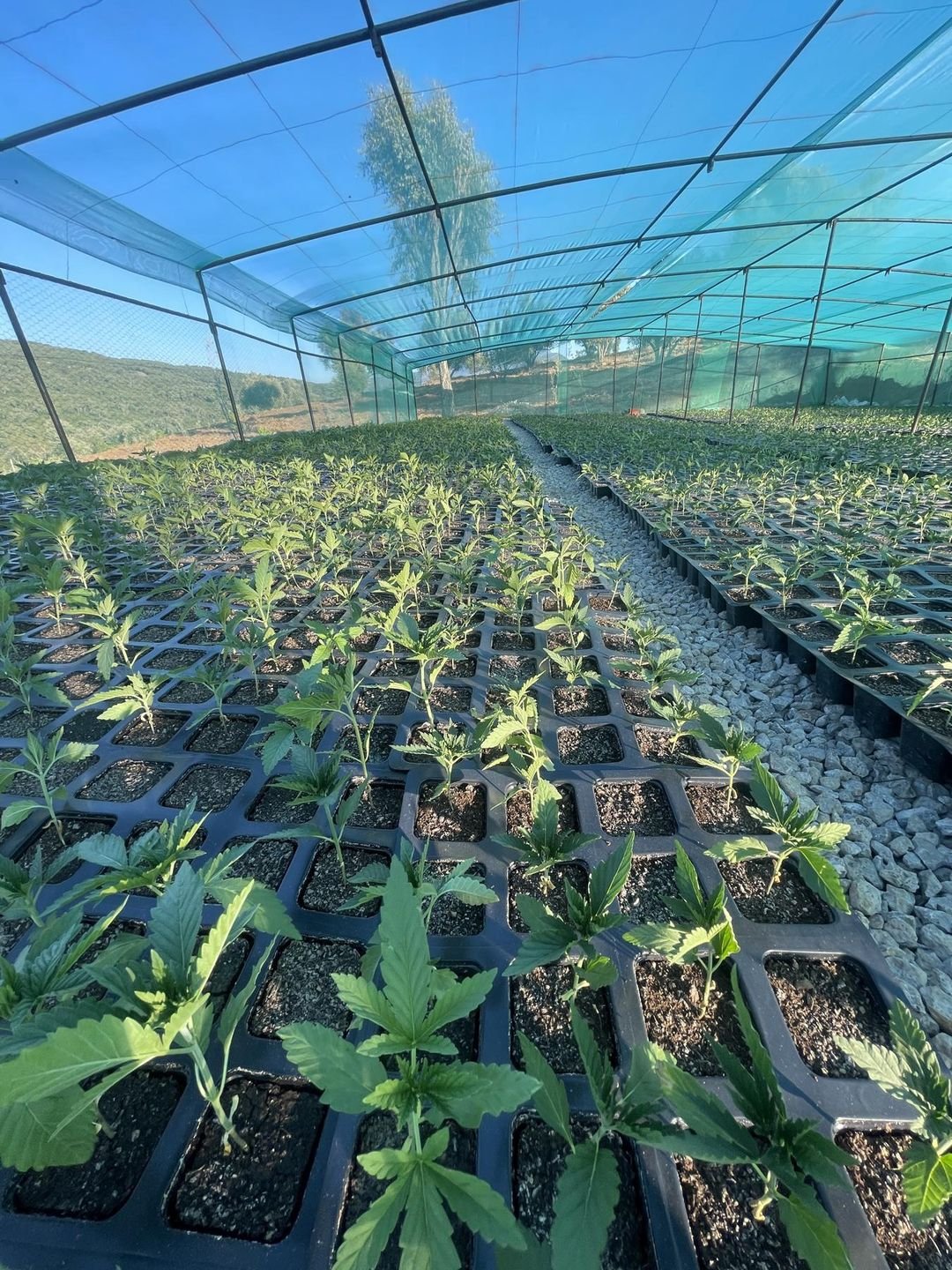
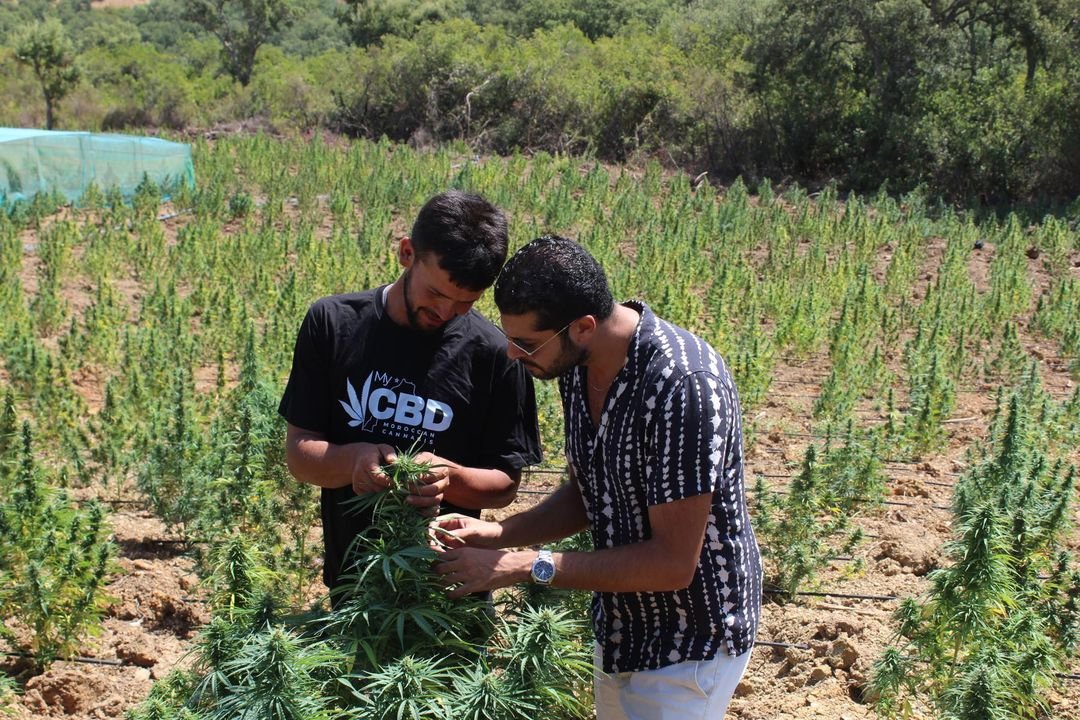
MyCBD specialises in one raw material, CBD resin. Its production is authorised by ANRAC. Its cultivation is GACP certified. Our fields are in the Chefchaouen region, in the Rif, and every batch can be followed from nursery to shipment.
Compliance documents accompany every batch; the technical sheet and certificate of analysis are sent on request. See our CBD resin, what CBD resin is and how it is sieved, traceability from seed to batch and our CBD hash.
Frequently asked questions
Law No. 13-21 allows the cultivation, production, processing, marketing and export of cannabis and its products to be authorised, under an ANRAC authorisation and only for the purposes set out in its Article 19. The text does not mention CBD as such: it speaks of cannabis and its products.
ANRAC, the National Agency for the Regulation of Cannabis-Related Activities, created by Law 13-21 (Articles 3 and 31). Its head office is in Rabat.
None in figures. Articles 6 and 17 refer to a level set by regulation, that is, by an implementing text separate from the law.
Ten years, renewable, according to Article 27. Renewal is subject to the same conditions as the initial grant.
Yes, under an ANRAC authorisation (Articles 1, 3 and 21) and for the purposes set out in Article 19. The product must travel in closed packaging (Article 18) and carry the labelling required by Article 46.
On the website of the Moroccan Ministry of Justice, which publishes Law No. 13-21 as a PDF (in French), and on the ANRAC website. The links are at the end of this guide.
Contact
A resin purchasing project?
Tell us what quantity and which country: we specify the documents available.